Book evaluation
Bad
Excellent
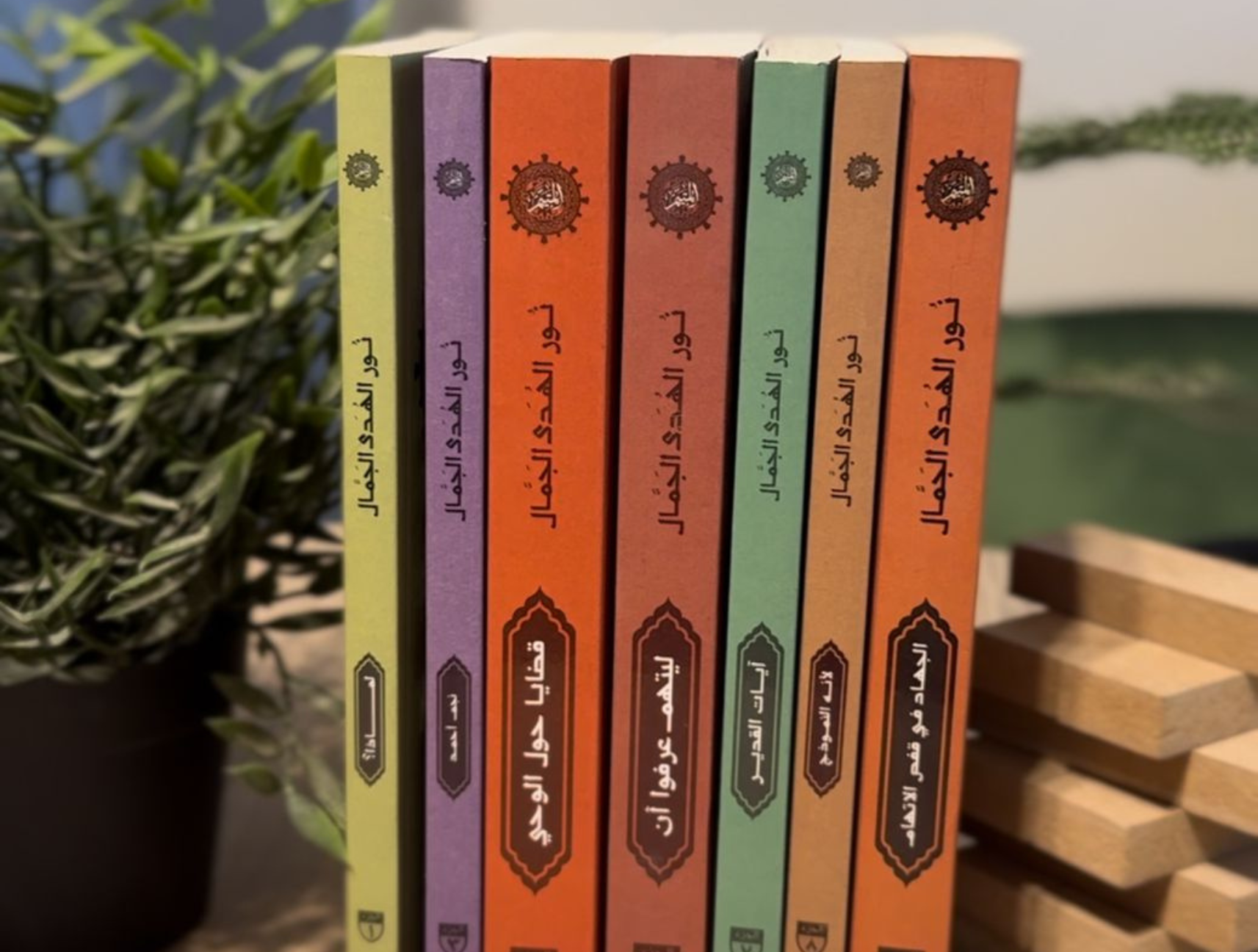
A collection of doubts about the Prophet Muhammad (peace and blessings be upon him) and their refutation

Everyone should have these books in their library to understand the character of Prophet Muhammad (peace and blessings be upon him) more deeply, dispel any doubts they may have, and help others correct their misconceptions.
This is a collection of refutations of doubts from the Encyclopedia of the Enchanted:
The "Why?" section answers many questions we all ponder but can't find answers to, such as: Why did God create us? What is the reason for evil, injustice, and trials in this world? Who is our true enemy? Why did God create certain things and then forbid them? Does God constantly warn and threaten us in the Quran? Can science create a human being?
The "Star of Ahmad" section takes us on a journey through the Prophet's childhood, recounting the incident of the splitting of his chest, confirming it, and refuting those who deny it. We follow the Prophet (peace and blessings be upon him) from his childhood until the revelation began, learning about the nature of revelation and why it was interrupted for a period.
The section on "Issues Concerning Revelation" addresses misconceptions about revelation, clarifies its source, and describes the Prophet's state at the time of its revelation. It answers important questions such as: Is revelation from Satan? Is it magic? Is it a dream vision? Is it epilepsy? And did the Prophet claim to receive revelation?
The section "If Only They Knew That!" addresses the misconception about the Prophet's multiple marriages and explains the reasons for each marriage in detail. It also discusses issues related to women, such as: the beating of women, the issue of hijab, and the enslavement of women in wars. It refutes misconceptions about camel urine.
The section on "Signs of the Almighty" explores the miracles of the Prophet, such as the splitting of the moon and the Night Journey and Ascension, along with the evidence for their occurrence. We will also understand how prayer was ordained, where the Prophet learned it, and who was the first to learn it after him.
The section (Because He Is the Model) discusses questions such as: Was the Prophet Muhammad (peace be upon him) infallible? Was he ever described as misguided? Did he fall into temptation or make mistakes? What is the testimony of the unseen? Did he forget or miss prayers? It explains how the Prophet Muhammad (peace be upon him) is the perfect role model, the wisdom behind the magic performed on him, and the truth about his death (peace be upon him) due to the poisoned sheep.
The section (Jihad in the Dock) addresses misconceptions about jihad, clarifying that the Prophet Muhammad (peace be upon him) did not attack non-Muslims and that Islam did not spread by the sword. It explains why Islam did not prohibit warfare, and discusses issues such as captivity and the treatment of prisoners, the wisdom behind the permissibility of spoils of war, the difference between a slave and a free woman, the issue of slavery and how Islam dealt with it, and the philosophy of jihad and the return of stolen property.
And many more questions in each section.
These questions might be a source of doubt for many people, but “Al-Mutayem” explained them in detail, simplified each idea, and corrected any confusion.





